Category: Research Topics

  • “Moving Along the Performance Continuum: Examining the Impact of SKIPS on Individual Performance Growth, Skill Development, and Organizational Outcomes”

    “Moving Along the Performance Continuum: Examining the Impact of SKIPS on Individual Performance Growth, Skill Development, and Organizational Outcomes”

    Research Purpose

    To determine whether structured task organization, skill alignment, and performance feedback through SKIPS helps individuals progress along a performance continuum and identify the effects of that movement on productivity, engagement, and outcomes.

    Performance Continuum Framework

    A possible continuum could include:

    1. Awareness
    1. Knows expectations
    2. Identifies skill gaps
    3. Organization
    1. Prioritizes tasks
    2. Manages materials and information
    3. Execution
    1. Completes tasks with consistency
    2. Demonstrates effective habits
    3. Performance
    1. Meets goals and benchmarks
    2. Produces quality outcomes
    3. Optimization
    1. Improves efficiency
    2. Transfers skills to new situations
    3. Leadership/Mastery
    1. Coaches others
    2. Sustains high performance

    #PerformanceContinuum#PerformanceGrowth#EmployeePerformance#WorkforceDevelopment

    #CompetencyDevelopment#SKIPS Framework

  • SKIPS for Improving Time-on-Task, Material Retrieval, and Transitions in Business Management

    SKIPS for Improving Time-on-Task, Material Retrieval, and Transitions in Business Management

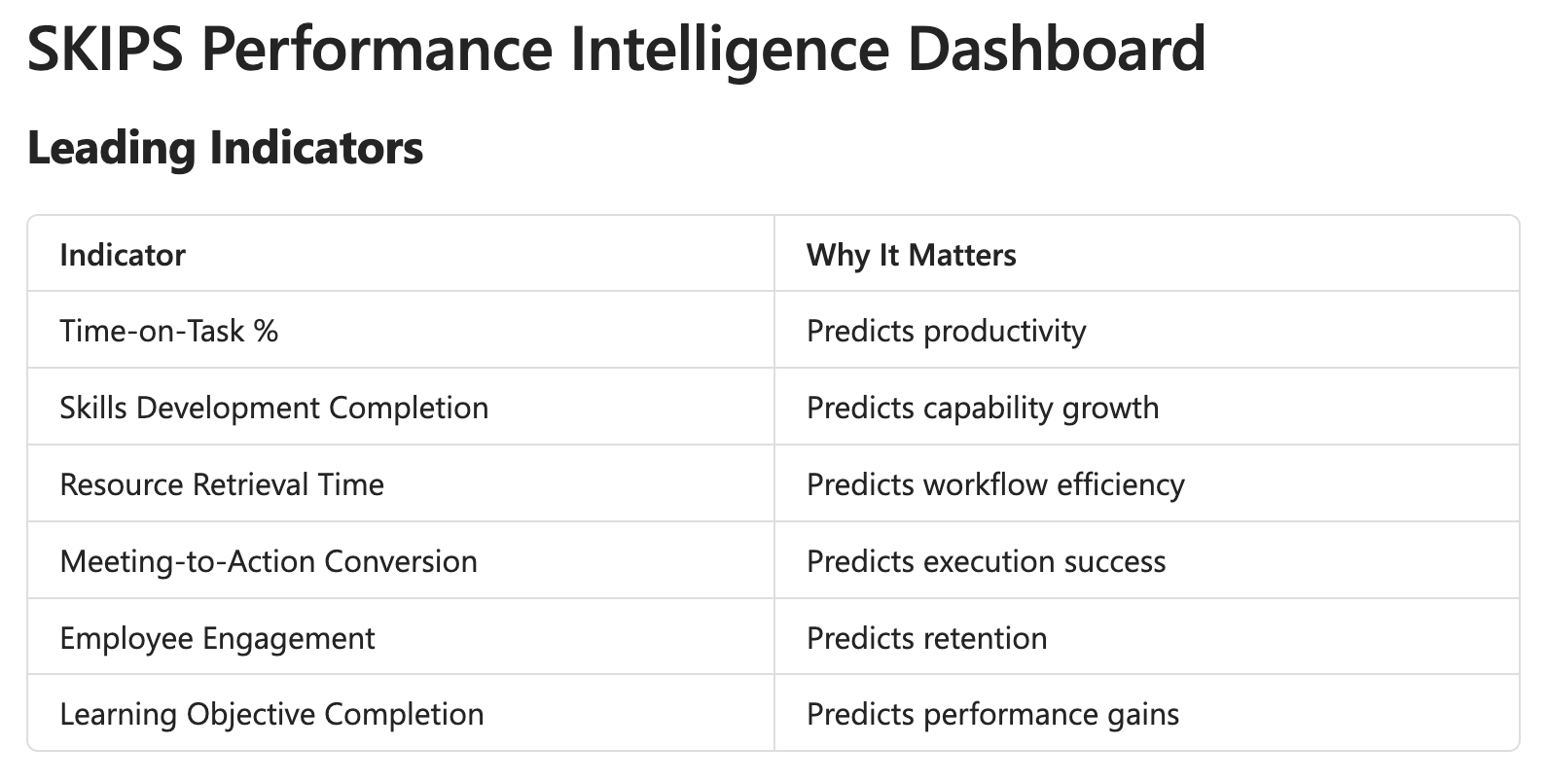
    In a business environment, SKIPS can function as a performance optimization framework by reducing lost time, increasing workflow efficiency, and improving task execution. Three critical operational variables include time-on-task, material retrieval, and transitions between activities.

    Time-on-Task:
    SKIPS helps employees clearly identify performance expectations, learning objectives, and workflow steps before beginning a task. By reducing ambiguity and providing structured guidance, employees spend more time engaged in productive work and less time determining what to do next. Increased time-on-task can lead to higher productivity, faster completion rates, and improved quality outcomes.

    Material Retrieval:
    When resources, documents, standard operating procedures, and performance supports are systematically organized within the SKIPS ecosystem, employees can quickly access the information needed to perform their work. Reduced search time minimizes disruptions, lowers cognitive load, and allows greater focus on high-value activities.

    Transitions:
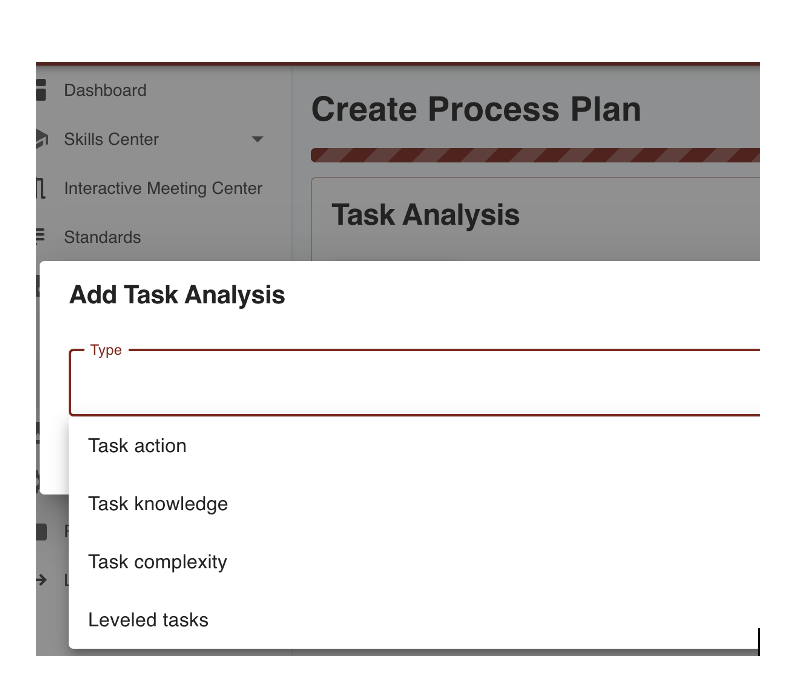
    Transitions between meetings, projects, departments, or phases of work often create productivity losses. SKIPS supports smoother transitions by providing clear action plans, task analysis, performance checkpoints, and workflow visibility. Employees move more efficiently from planning to execution, reducing downtime and maintaining momentum.

    Business Impact

    By improving time-on-task, accelerating material retrieval, and streamlining transitions, SKIPS can contribute to:

    • Increased operational efficiency
    • Reduced workflow interruptions
    • Faster project completion
    • Improved employee productivity
    • Greater accountability and execution
    • Enhanced organizational learning
    • Stronger performance outcomes

    SKIPS transforms work processes from fragmented activities into coordinated performance systems where energy is directed toward execution rather than lost through inefficiency, delays, or uncertainty.

    #SKIPSFramework#PerformanceIntelligence#LearningAnalytics#WorkforceDevelopment#OperationalExcellence#BusinessIntelligence#EmployeePerformance#Productivity#DataDrivenLeadership#WorkforceAnalytics#ContinuousImprovement
  • How does the use of SKIPS task analysis influence individual performance outcomes?

    How does the use of SKIPS task analysis influence individual performance outcomes?

    How does the use of SKIPS task analysis influence individual performance outcomes?

    • How does SKIPS task analysis affect task completion rates?
    • What impact does SKIPS task analysis have on self-efficacy?
    • How does SKIPS task analysis influence motivation and engagement?
    • What relationship exists between SKIPS task analysis and quality of performance?
    • How does SKIPS task analysis affect collaborative performance within teams?

    Hypothesis

    H1: Individuals who use SKIPS task analysis will demonstrate higher performance levels than individuals who do not use SKIPS task analysis.

    H2: The positive effect of SKIPS task analysis on performance is mediated by increased self-efficacy, motivation, and task clarity.

    A potential framework could be:

    SKIPS Task Analysis → Task Clarity → Self-Efficacy → Motivation → Performance Outcomes

    where performance outcomes include:

    • Effectiveness
    • Efficiency
    • Quality
    • Accuracy
    • Consistency
    • Goal attainment

    Dissertation/Research Title Example

    “The Effect of SKIPS Task Analysis on Performance: Examining the Roles of Task Clarity, Self-Efficacy, and Motivation in Professional Practice.”

    #SKIPS #SkillsDevelopment #ProfessionalGrowth #LearningObjectives #CareerGrowth #ContinuousLearning #WorkforceDevelopment

  • “From Data to Development: Examining the Influence of Performance Data on Skills Development Plans and Learning Objective Achievement.”

    “From Data to Development: Examining the Influence of Performance Data on Skills Development Plans and Learning Objective Achievement.”

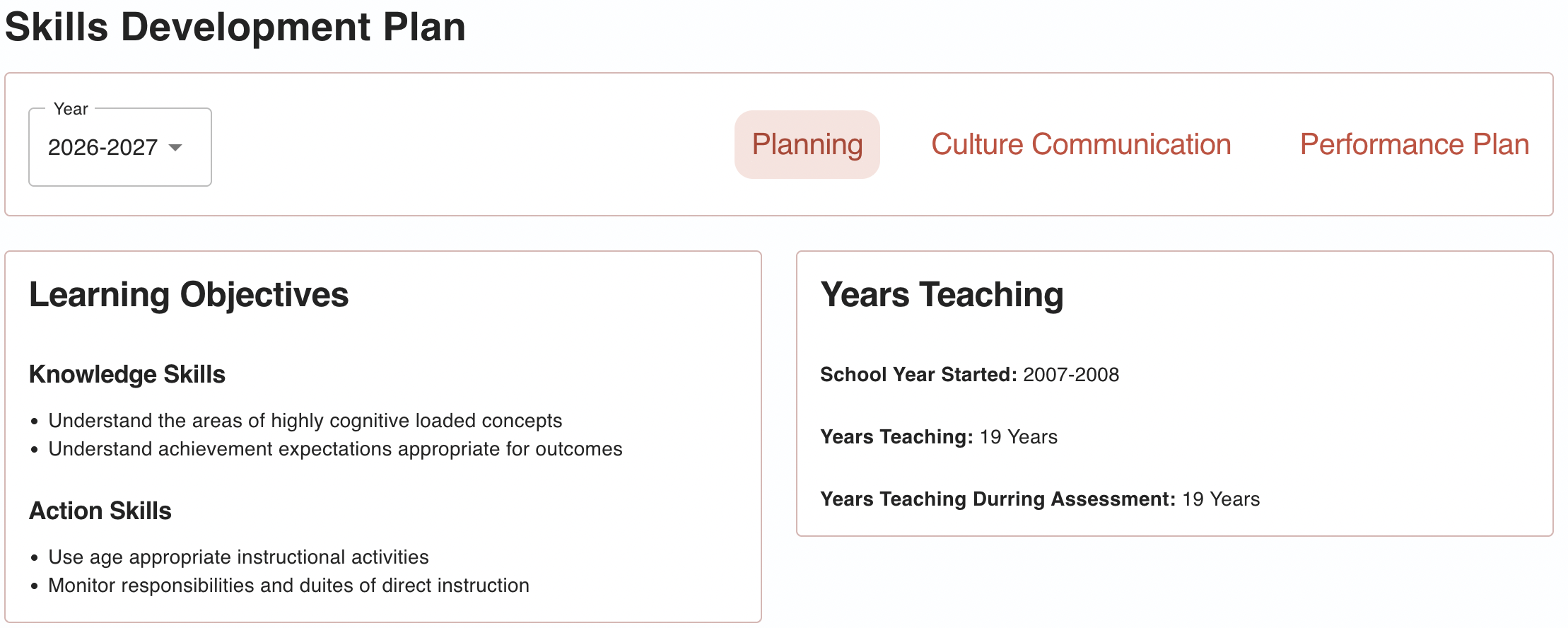
    Individuals who utilize performance data to guide skills development plans can demonstrate greater improvement in competency attainment than individuals who participate in professional learning without data-informed learning objectives.

    SKIPS Application

    • Uses performance evidence to identify growth opportunities.
    • Aligns learning objectives with competency domains.
    • Supports personalized development pathways.
    • Provides real-time feedback and reflection opportunities.
    • Tracks growth toward mastery over time.
    • Creates sustainable professional learning ecosystems.

    #ProfessionalDevelopment #WorkforceDevelopment #Education #SkillBuilding #LearningAndDevelopment #SKIPS

    www.skips-studio.com > blog article Experience > demo link

  • The Relationship Between Task Clarity and Project Success

    The Relationship Between Task Clarity and Project Success

    Question:
    How does task clarity affect resource allocation, task completion rates, and project outcomes?

    Key Areas:

    • Goal setting – Performance Plan with personalized data hub
    • Role definition – each person’s inherit value contribution
    • Communication effectiveness – building relational trust
    • Project efficiency – streamlined processes answers time constraint issues

    Potential SKIPS Research Title

    “Enhancing Time Efficiency, Resource Optimization, and Performance Growth Through Task Analysis, Resource Allocation, Task Tracking, and Reflective Practice.” With SKIPS, workforce can make informed decisions faster, improve outcomes, and achieve more with the resources they already have. SKIPS provides follow up from professional development seminars, conferences and or workshops; by supporting individuals executing subject matter expert topics, techniques, strategies, and frameworks in context with maximum capacity efficiency.

    https://demo.skips-studio.com/Account/Login

    #KeyPerformanceIndicators#SkillDevelopment#Leadership#DataAnalysis

  • SKIPS for Managing Your Research Project: From Design to Evidence-Based Results

    SKIPS for Managing Your Research Project: From Design to Evidence-Based Results

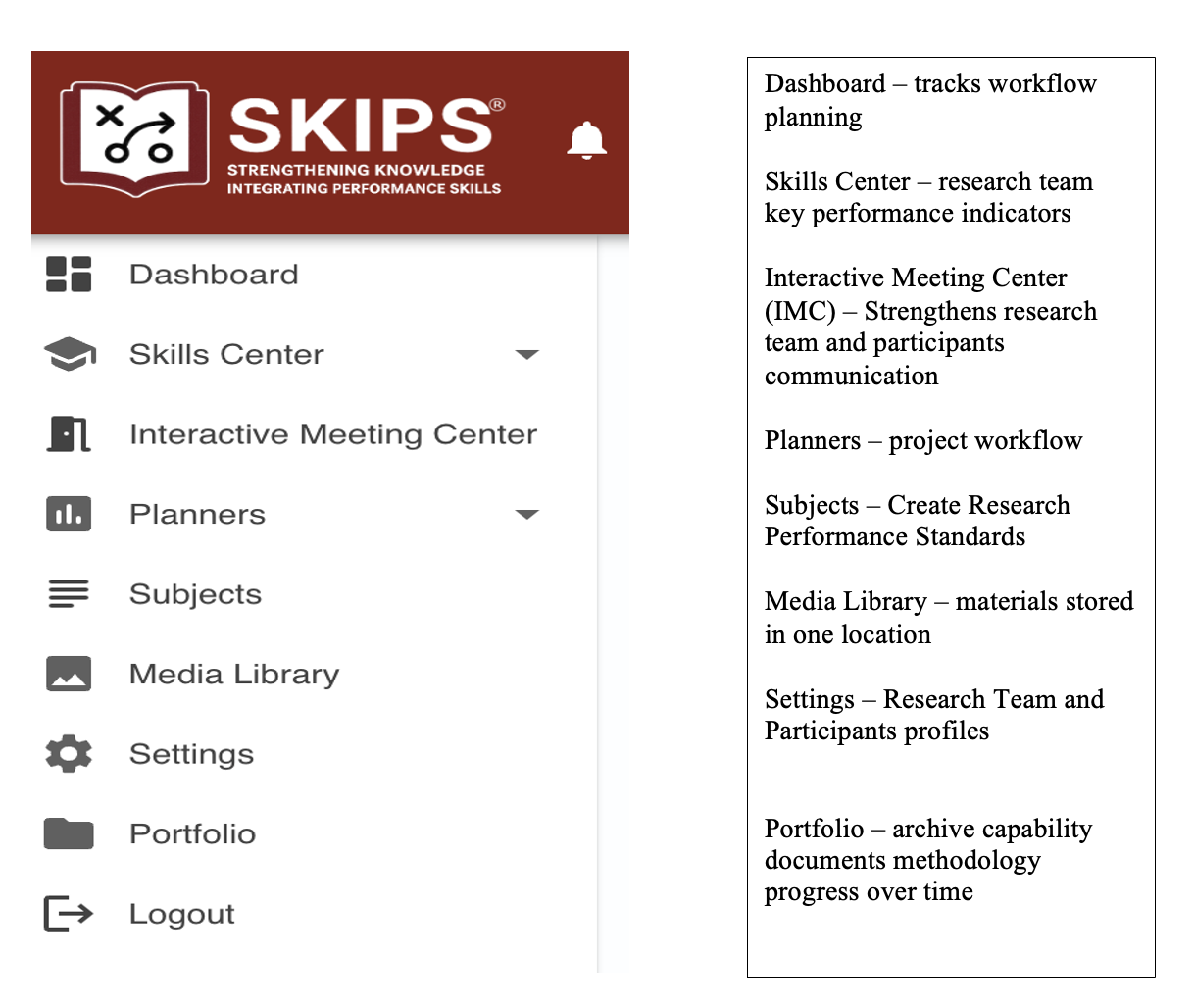
    Successful research requires more than collecting data. Researchers must develop a sound methodology, manage workflows, communicate with participants, organize information, analyze findings, and document outcomes. SKIPS provides an integrated approach that helps researchers manage every stage of the research process while maintaining quality, consistency, and accountability.

    Design a Strong Research Foundation

    Every successful study begins with a well-structured research design. SKIPS helps researchers organize and develop critical project components, including:

    Research Design

    • Qualitative research
    • Quantitative research
    • Mixed-methods research
    • Action research
    • Case study research
    • Experimental and quasi-experimental designs

    Research Questions

    • Define clear research objectives
    • Align questions with project goals
    • Establish measurable outcomes
    • Ensure methodological alignment

    Methodology Development

    Researchers can document and organize:

    • Research purpose and rationale
    • Study framework
    • Data collection methods
    • Sampling procedures
    • Ethical considerations
    • Analysis plans

    By documenting these elements from the beginning, researchers create a roadmap that guides the entire project lifecycle.

    #research methods #measurable outcomes #data collecting #analytic reporting