Category: Business Management

  • “Moving Along the Performance Continuum: Examining the Impact of SKIPS on Individual Performance Growth, Skill Development, and Organizational Outcomes”

    “Moving Along the Performance Continuum: Examining the Impact of SKIPS on Individual Performance Growth, Skill Development, and Organizational Outcomes”

    Research Purpose

    To determine whether structured task organization, skill alignment, and performance feedback through SKIPS helps individuals progress along a performance continuum and identify the effects of that movement on productivity, engagement, and outcomes.

    Performance Continuum Framework

    A possible continuum could include:

    1. Awareness
    1. Knows expectations
    2. Identifies skill gaps
    3. Organization
    1. Prioritizes tasks
    2. Manages materials and information
    3. Execution
    1. Completes tasks with consistency
    2. Demonstrates effective habits
    3. Performance
    1. Meets goals and benchmarks
    2. Produces quality outcomes
    3. Optimization
    1. Improves efficiency
    2. Transfers skills to new situations
    3. Leadership/Mastery
    1. Coaches others
    2. Sustains high performance

    #PerformanceContinuum#PerformanceGrowth#EmployeePerformance#WorkforceDevelopment

    #CompetencyDevelopment#SKIPS Framework

  • SKIPS for Improving Time-on-Task, Material Retrieval, and Transitions in Business Management

    SKIPS for Improving Time-on-Task, Material Retrieval, and Transitions in Business Management

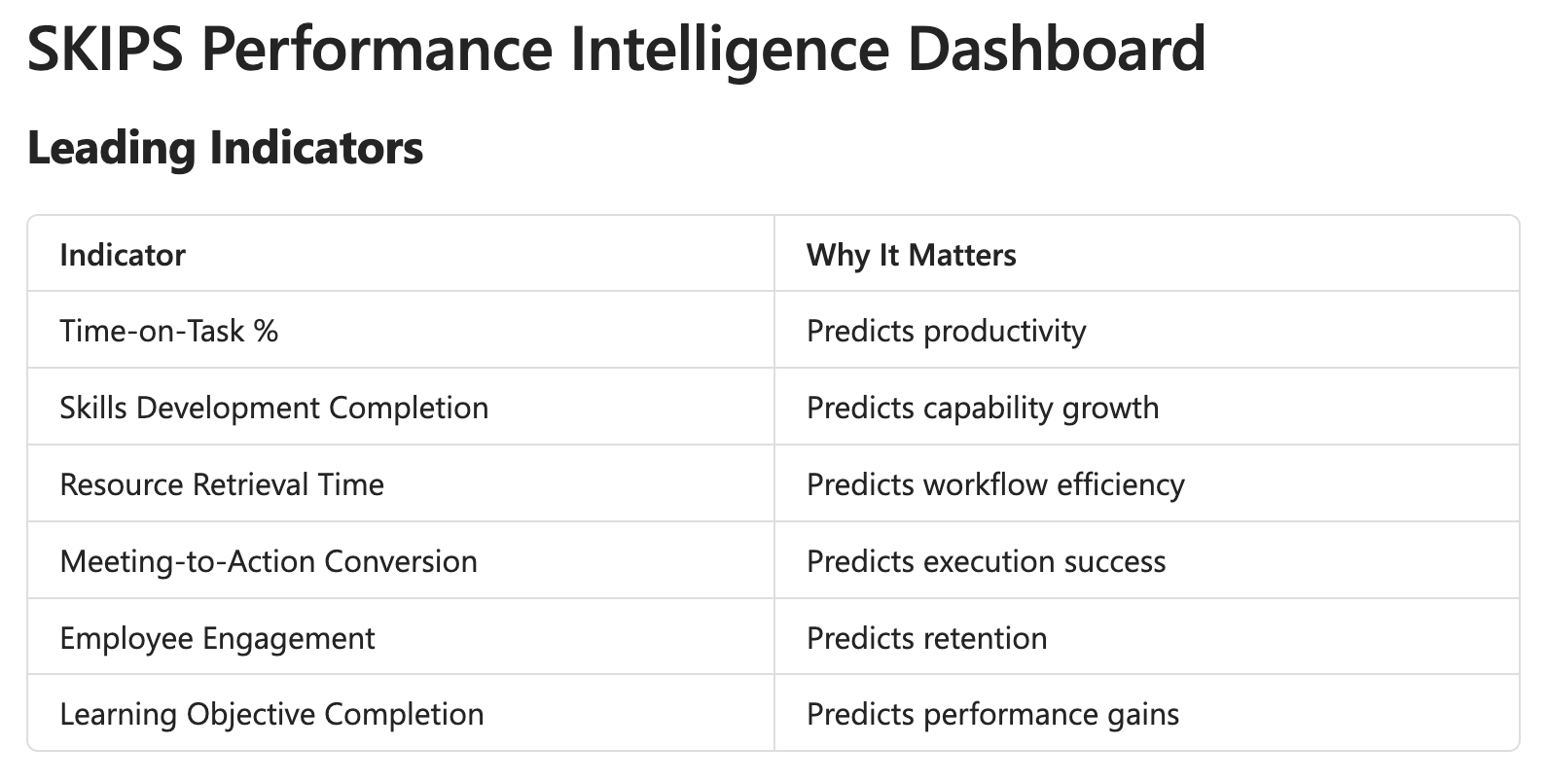
    In a business environment, SKIPS can function as a performance optimization framework by reducing lost time, increasing workflow efficiency, and improving task execution. Three critical operational variables include time-on-task, material retrieval, and transitions between activities.

    Time-on-Task:
    SKIPS helps employees clearly identify performance expectations, learning objectives, and workflow steps before beginning a task. By reducing ambiguity and providing structured guidance, employees spend more time engaged in productive work and less time determining what to do next. Increased time-on-task can lead to higher productivity, faster completion rates, and improved quality outcomes.

    Material Retrieval:
    When resources, documents, standard operating procedures, and performance supports are systematically organized within the SKIPS ecosystem, employees can quickly access the information needed to perform their work. Reduced search time minimizes disruptions, lowers cognitive load, and allows greater focus on high-value activities.

    Transitions:
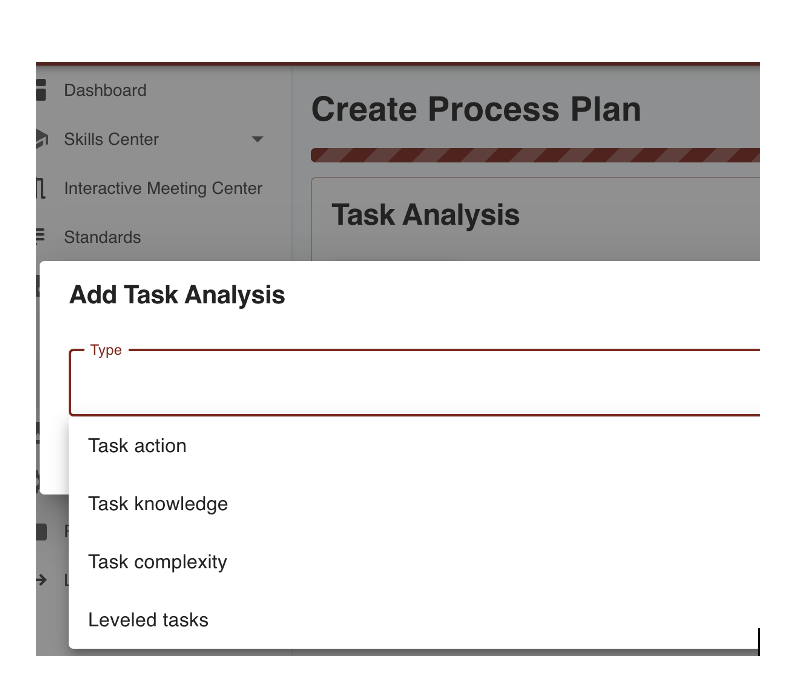
    Transitions between meetings, projects, departments, or phases of work often create productivity losses. SKIPS supports smoother transitions by providing clear action plans, task analysis, performance checkpoints, and workflow visibility. Employees move more efficiently from planning to execution, reducing downtime and maintaining momentum.

    Business Impact

    By improving time-on-task, accelerating material retrieval, and streamlining transitions, SKIPS can contribute to:

    • Increased operational efficiency
    • Reduced workflow interruptions
    • Faster project completion
    • Improved employee productivity
    • Greater accountability and execution
    • Enhanced organizational learning
    • Stronger performance outcomes

    SKIPS transforms work processes from fragmented activities into coordinated performance systems where energy is directed toward execution rather than lost through inefficiency, delays, or uncertainty.

    #SKIPSFramework#PerformanceIntelligence#LearningAnalytics#WorkforceDevelopment#OperationalExcellence#BusinessIntelligence#EmployeePerformance#Productivity#DataDrivenLeadership#WorkforceAnalytics#ContinuousImprovement
  • How does the use of SKIPS task analysis influence individual performance outcomes?

    How does the use of SKIPS task analysis influence individual performance outcomes?

    How does the use of SKIPS task analysis influence individual performance outcomes?

    • How does SKIPS task analysis affect task completion rates?
    • What impact does SKIPS task analysis have on self-efficacy?
    • How does SKIPS task analysis influence motivation and engagement?
    • What relationship exists between SKIPS task analysis and quality of performance?
    • How does SKIPS task analysis affect collaborative performance within teams?

    Hypothesis

    H1: Individuals who use SKIPS task analysis will demonstrate higher performance levels than individuals who do not use SKIPS task analysis.

    H2: The positive effect of SKIPS task analysis on performance is mediated by increased self-efficacy, motivation, and task clarity.

    A potential framework could be:

    SKIPS Task Analysis → Task Clarity → Self-Efficacy → Motivation → Performance Outcomes

    where performance outcomes include:

    • Effectiveness
    • Efficiency
    • Quality
    • Accuracy
    • Consistency
    • Goal attainment

    Dissertation/Research Title Example

    “The Effect of SKIPS Task Analysis on Performance: Examining the Roles of Task Clarity, Self-Efficacy, and Motivation in Professional Practice.”

    #SKIPS #SkillsDevelopment #ProfessionalGrowth #LearningObjectives #CareerGrowth #ContinuousLearning #WorkforceDevelopment

  • SKIPS Planning Tools: From Planning to Professional Growth

    SKIPS Planning Tools: From Planning to Professional Growth

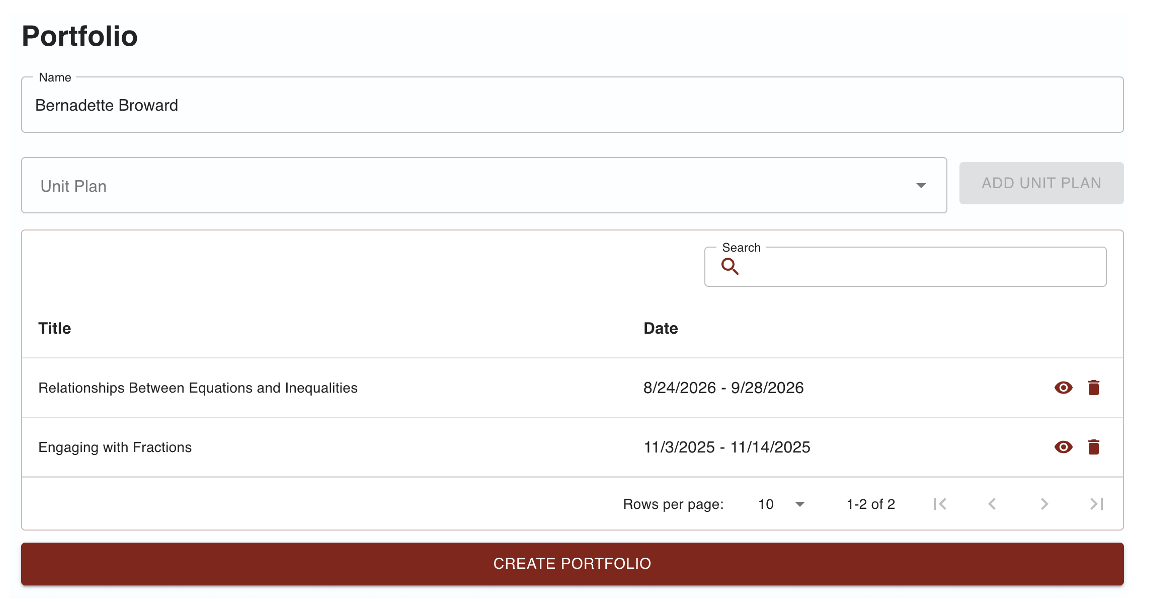
    Imagine having the ability to create, organize, reflect upon, and archive an entire portfolio of unit plans and lesson plans in one centralized location. SKIPS Planning Tools transform planning from a compliance task into a continuous professional learning experience.

    Key Benefits

    Build a Living Planning Portfolio

    • Create and store unit and lesson plans for ongoing reflection.
    • Archive instructional resources and exemplary practices for future use.
    • Track growth and instructional improvements over time.

    Collaborate with Purpose

    • Share plans easily with grade-level teams, PLCs, instructional coaches, and administrators.
    • Foster meaningful feedback and collaborative planning.
    • Promote transparency and alignment across classrooms and schools.

    Strengthen Academic Vertical Articulation

    • Connect learning objectives and instructional practices across grade levels.
    • Ensure continuity of skills and content progression.
    • Support curriculum coherence from one grade level to the next.

    Support Educators at Every Stage

    • Ideal for pre-service teachers developing foundational instructional practices.
    • Equips new teachers with models, resources, and guidance.
    • Provides experienced educators with opportunities to refine, mentor, and showcase effective practices.

    Why It Matters

    SKIPS Planning Tools create a bridge between planning, reflection, collaboration, and professional growth. By transforming lesson and unit planning into an interactive and sharable experience, educators can build sustainable instructional excellence, strengthen vertical alignment, and cultivate a culture of continuous learning for all educators.

    SKIPS empowers educators to plan intentionally, collaborate effectively, reflect meaningfully, and grow professionally.

    #instructionalplanning #skilldevelopment #standards-based #annualcurriclummapping #UDLPrinciples

  • AI Gives Answers. SKIPS AI Builds Skills.

    AI Gives Answers. SKIPS AI Builds Skills.

    Many AI tools can provide quick responses, generate content, and answer questions.

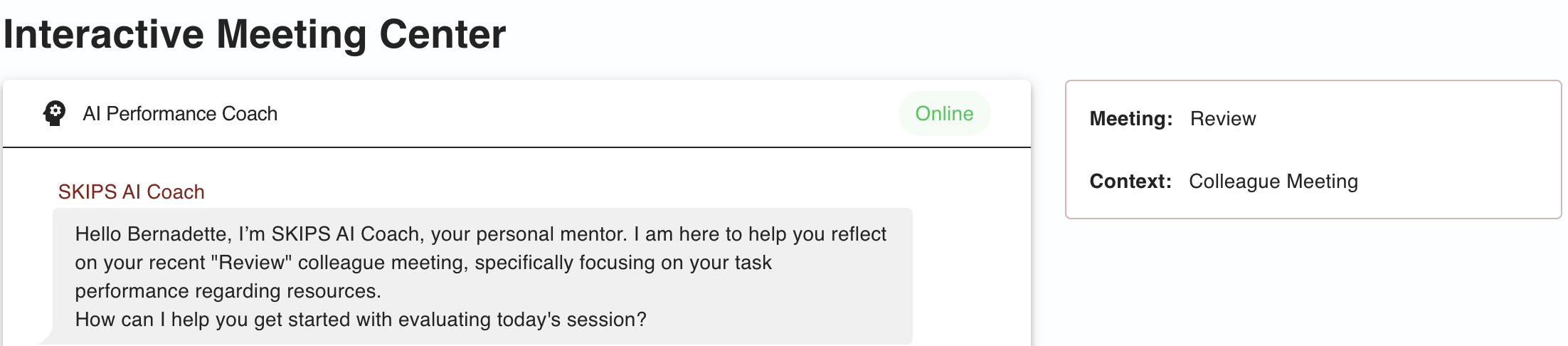
    SKIPS AI Coach goes further.

    ✅ Identifies pathways of specific skill gaps to performance
    ✅ Personalized learning objectives become actionable performance
    ✅ Provides targeted knowledge development activities
    ✅ Builds action steps for real-world application
    ✅ Tracks progress from learning to performance

    Instead of simply telling users what to do, SKIPS AI Coach helps individuals develop the skills needed to perform confidently and independently.

    From assessment to achievement, SKIPS transforms learning into measurable growth.

    #ProfessionalDevelopment #WorkforceDevelopment #Education #SkillBuilding #LearningAndDevelopment #SKIPS